
Follow Us :
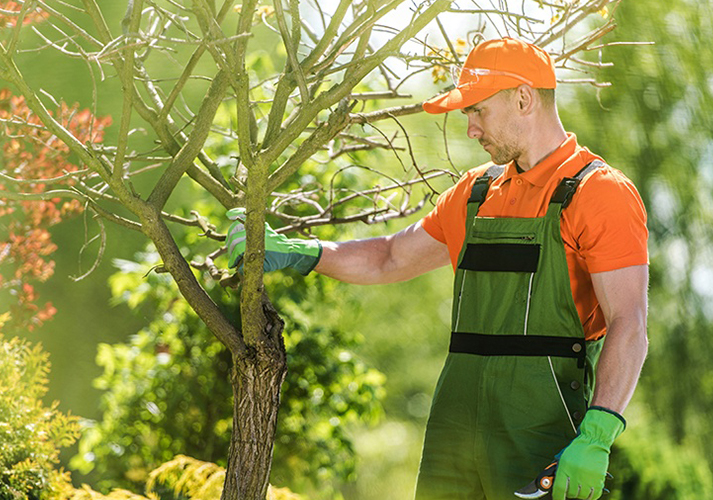
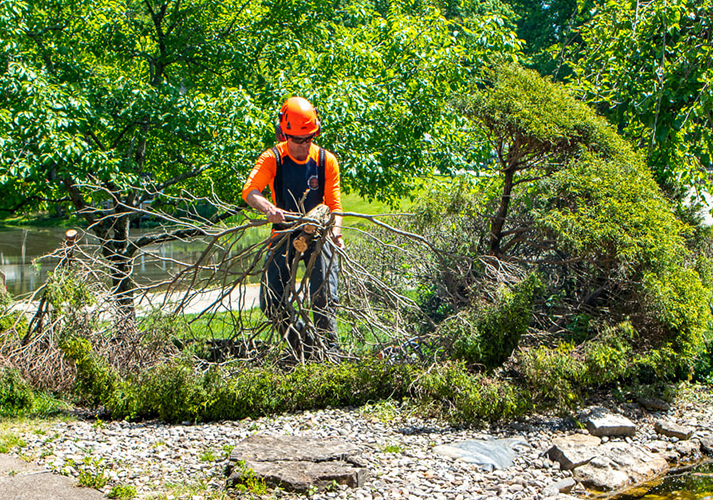
Trees make a yard feel alive. They give shade, beauty, and a home for birds. Yet, they can also create risks if we ignore them. Heavy limbs may snap in a storm. Low branches can block views of driveways or streets. Roots and thick shade can change how grass grows and where kids play. Proper tree pruning helps reduce these problems. It guides growth, keeps branches strong, and lowers the chance of falling limbs. It also improves air flow and light for healthier trees. As a result, you protect people, pets, and property. In this guide, we’ll look at how smart pruning prevents hazards. We’ll cover signs to watch for, the best timing, safe cuts, and more. You will find simple steps you can use today. Let’s keep your yard safe and peaceful.
Tree pruning is more than making a tree look neat. It lowers real risks. Over time, trees add weight in odd places. So, weak branches may split. With pruning, you reduce that weight and steer growth. Then, storms have less to grab.
Pruning also improves sight lines. You can see cars, kids, and sidewalks. That helps drivers and walkers. It also reduces scrapes from low branches. Plus, more light reaches the lawn. So, slippery moss is less likely to grow.
Key safety gains from proper tree pruning include:
Because trees change each year, pruning is not a one-time job. Instead, plan checks and light trims as the tree grows. Small steps now can prevent big problems later.
You can spot many hazards with a quick walk-around. First, look for deadwood. Dead branches feel brittle and lack leaves. They break with little force. During the wind, they can fall without warning. Next, scan for weak unions. These are tight “V” angles where two limbs press together. Bark may grow inside the joint. So, the union holds poorly.
Also, note overgrowth. Long, heavy limbs that stretch over roofs, cars, or play areas raise risk. Touching limbs can rub and wound the bark. Then decay may start. Fungi on the trunk or near roots can signal internal issues.
Use this simple checklist:
If you see several items, act soon. Quick pruning often fixes small problems before they turn serious.
Timing matters. In many areas, late winter is best for most trees. The tree rests, and the leaves are off. So, you can see the structure and make clean cuts. Also, pests are less active. That lowers the chance of disease spread.
Spring pruning can work for storm-damaged limbs. After the risk passes, remove torn wood and reduce broken stubs. Summer pruning helps with sight lines. It also slows fast growth in some species. However, you should avoid heavy pruning during hot or dry periods.
Use these tips to plan:
Because species differ, look up local guidance for your region. Then, set a simple yearly plan.
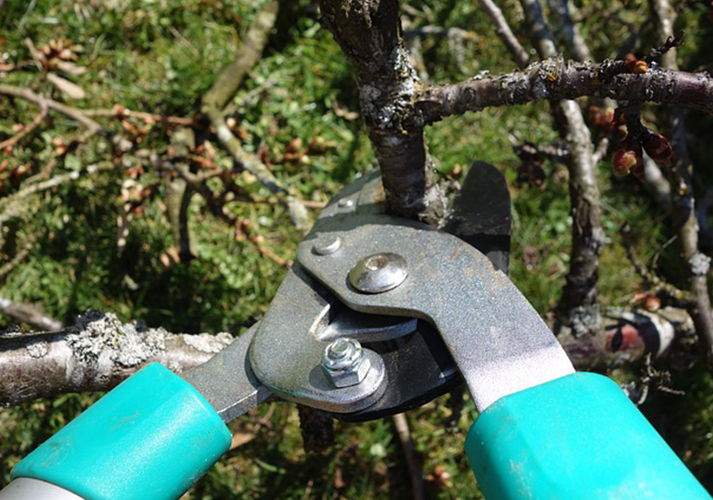
Safe cuts protect the tree and reduce future breakage. Always find the branch collar, the swollen area where the branch meets the trunk. Then, cut just outside that collar. Do not cut flush with the trunk. That harms the tree and slows sealing.
For larger branches, use the three-cut method:
This method stops bark from tearing down the trunk. It also leaves a proper wound shape so the tree can seal.
Avoid these mistakes:
With correct cuts, you lower stress on the tree. You also reduce the chance of decay and future failure.
Clearance pruning protects people and property. Branches that hang over roofs can scrape shingles. They can also drop leaves and twigs that clog gutters. During storms, heavy limbs may fall on the structure. So, keep a good space between limbs and buildings.
For walkways and driveways, raise low branches to improve sight and headroom. This helps drivers and keeps kids safe on bikes. It also reduces scratches from passing under a tree.
Here are simple clearance goals:
Power lines require extra care. In many places, only trained crews should prune near live lines. So, if branches are close to wires, call your local utility first. Safety must come before any yard task.
Wind finds weak spots. Because of that, storm-ready pruning focuses on structure. Thin the canopy lightly to allow wind to pass through. Do not remove too much foliage. Too much thinning can lead to more stress. Instead, reduce only crowded interior shoots.
Next, shorten long, heavy limbs with reduction cuts. This shifts weight back toward the trunk. It also reduces leverage, which lowers the chance of failure. Remove deadwood and broken stubs, since they become projectiles in high winds.
Use this storm prep checklist:
After a storm, inspect again. Look for cracks, hanging branches, and soil heaving around roots. Then act fast to remove hazards before the next wind event.
Yards should feel safe for play. Because of that, tree pruning should be designed around where people move and rest—first, clear low branches over swing sets, trampolines, and picnic spots. Then, check for deadwood above these areas. Remove it right away.
Also, aim for good light. Thinning light growth helps the sun reach the ground. Dry, sunny spots reduce slippery moss and puddles. That lowers falls. Plan extra care for trees near leaf piles or play paths in fall.
When planning safe zones, remember:
With small, steady steps, you shape a yard that welcomes fun. Safety grows when you plan pruning around daily life.
Many small pruning jobs are fine for a careful DIY approach. Light trimming of small branches with clean tools can help a lot. Still, some jobs carry real danger. Large limbs, tall ladders, and nearby power lines raise risk. In those cases, getting help from a trained arborist is smart.
Use this guide to decide:
When you do prune, follow safe steps:
In short, know your limits. Safety comes first. Wise choices keep both you and your trees in good shape.
Proper tree pruning supports yard safety in many ways. It reduces falling branches, clears views, and prepares trees for storms. It also keeps play areas safer for kids and pets. You can lower risks and help trees stay strong with steady care and smart timing. Start with a simple walk-around today. Then, plan small, regular steps that fit your yard. Your future self will thank you.