
Follow Us :
Storm Damage Tree Removal: Steps to Protect Your Property
Follow Us :
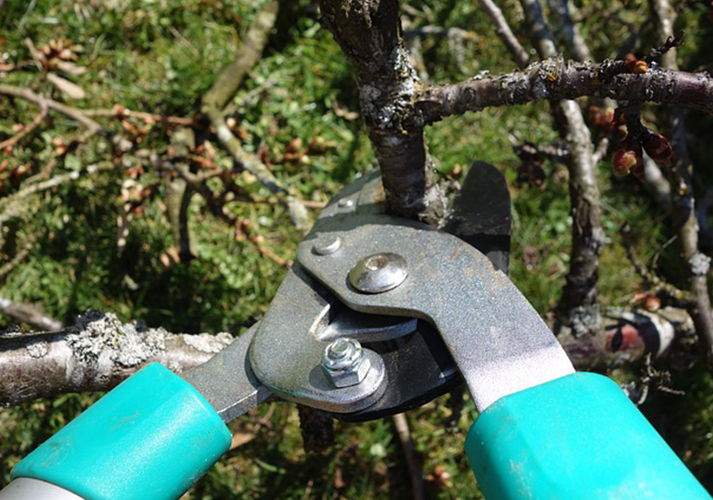
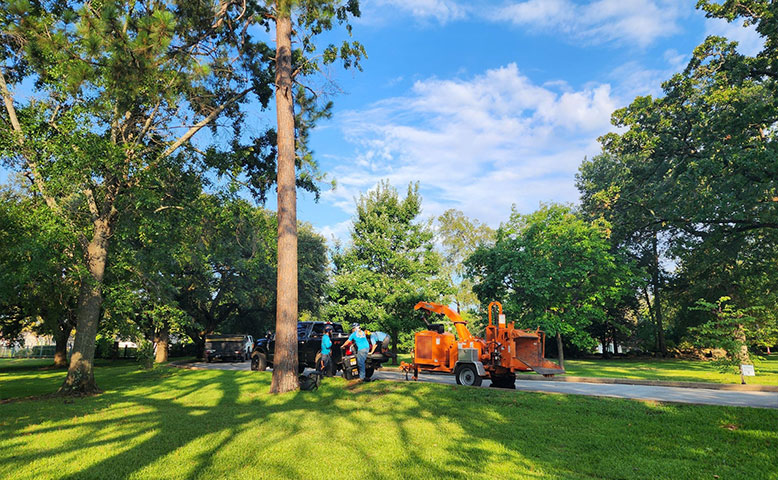
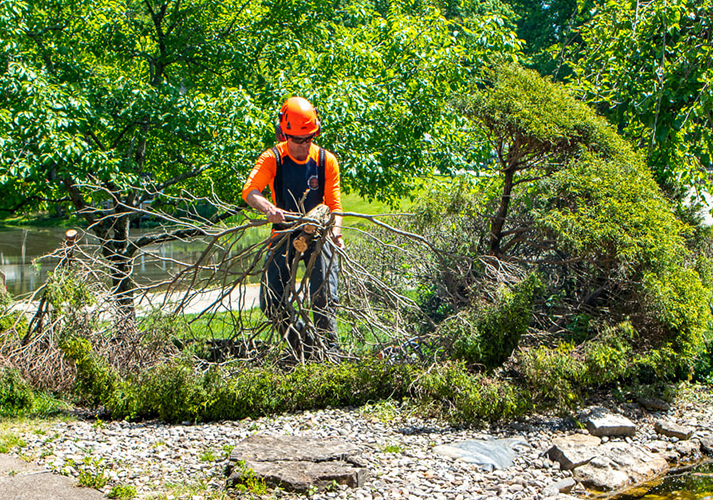
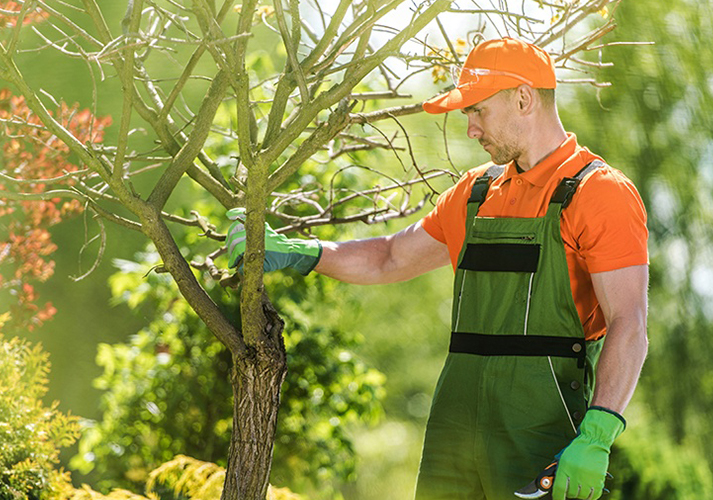
A strong storm can leave broken limbs, split trunks, and fallen trees across a yard. Often, the greatest danger is hard to see. A damaged tree may lean toward a roof, driveway, fence, or road. For that reason, quick and careful action matters. Storm damage tree removal can reduce risk and restore safe access around a property.
Castle’s Tree Service provides 24/7 help for urgent tree problems in Tyler and nearby East Texas areas. Property owners seeking professional tree removal in Tyler Texas can rely on our local experience, clear process, and safety-focused care. Our team inspects the tree, studies the risk, and explains the safest path forward. When removal is needed, we use controlled methods and suitable equipment.
Storm damage can make a yard unsafe within minutes. Therefore, people and pets should stay far from broken trees. Hanging limbs may fall. A split trunk may shift as wind moves the crown. Wet soil may make exposed roots less stable.
Property owners should avoid walking under damaged limbs. They should keep vehicles away from leaning trees. Moreover, they should not pull branches from roofs, fences, or overhead areas. A limb may hold hidden weight.
Use these steps while waiting for help:
A safe distance gives trained crews room to assess the site.
A storm may weaken a standing tree. However, warning signs can point to serious failure. A tree may lean more than before. Soil may lift near the roots. The trunk may show a new crack or split. Large limbs may hang over a roof or driveway.
A tree safety inspection should cover the trunk, roots, crown, and nearby structures. Castle’s Tree Service studies each tree on site. Our team looks at its condition, location, and likely fall path. Our emergency tree services in Tyler TX, focus on safety and cleanup. We explain the work before it begins.
Some damage may need hazardous tree removal. Other trees may need pruning or bracing. Because each case is different, a quick visual guess is not enough. A trained review supports a safer decision and helps avoid removing a tree that can be left standing.
Some storm-damaged trees cannot stay safe. For example, an uprooted tree may rest against a home. A split trunk may hang over people. In these cases, emergency tree removal may be needed. Urgent removal may be suitable when the tree has major root failure, a severe lean, or a broken main trunk. It may be needed when heavy limbs cannot be secured. Moreover, a tree may require dangerous tree removal when it threatens people or buildings.
We provide emergency arborist services for urgent concerns. Our team reviews the risk before work begins. That review helps match the removal method to the tree, available space, and nearby property.
A crew should not begin cutting without a clear plan. Therefore, the work starts with an on-site review. The crew checks the tree’s height, damage, and position. It reviews nearby roofs, fences, roads, driveways, and healthy trees.
Castle’s Tree Service follows a three-part process. We inspect the tree and discuss property needs. After approval, we plan and execute the work using appropriate tools. For professional tree removal in Tyler, Texas, this process provides tree removal experts with a clear path from review to cleanup. Moreover, it helps set a safe work zone. The plan can show where limbs may be lowered and where equipment can operate without adding needless risk.
No single removal method fits every damaged tree. Because trees vary, the crew must choose a suitable method. A tree in an open area may allow controlled directional cutting. A tree beside a house may need sectional removal.
| Site condition | Possible method | Main purpose |
| Tight space near a roof or fence | Climbing and rigging | Lower limbs in controlled pieces |
| Large, unstable tree near a building | Crane-assisted removal | Lift sections away |
| Open area with enough space | Directional cutting | Guide the tree toward a planned zone |
| Tree surrounded by obstacles | Piece-by-piece removal | Reduce it in small sections |
| Cracked trunk or weak limb | Cabling or bracing | Add support when saving is possible |
This planning supports safer damaged tree removal and better property protection.
A fallen tree may block a driveway, road, or walkway. Therefore, access should be restored without creating new hazards. Fallen tree removal may require cutting the crown and trunk into controlled pieces. Heavy sections may need rigging, a bucket truck, or a crane.
Hanging branches need equal care. A trapped limb may move when another piece is cut. Therefore, experts offering fallen branch removal should review cracks, support points, and stored pressure.
We provide storm damaged tree services for uprooted trees, fallen trunks, and overhead limbs. Our crews use controlled cutting and lowering methods. We remove branches, logs, and debris as part of the approved work. This helps make the area usable and safer without creating more risk.
A damaged tree often stands near property. Therefore, the work plan should account for roofs, fences, pools, roads, gardens, and nearby trees. Crews can use ropes and rigging to guide cut pieces away from these areas.
We plan professional tree removal around the tree’s size, condition, and location. Our crews may use climbing, cranes, directional cutting, or sectional removal. Each method helps control how limbs and trunk pieces move.
A complete cleanup should include:
Our storm cleanup services help property owners regain safe access after the storm.
Not every damaged tree needs removal. In fact, some trees can remain with the right care. A trained review may find that pruning can remove unsafe deadwood. Cabling or bracing may support a weak union. Soil care may help a stressed root zone.
We consider preservation before removal when conditions allow. Our team may recommend structural pruning, crown cleaning, cabling, bracing, or plant health care. These options depend on damage and nearby risks. Our tree pruning services in Tyler TX can remove broken or weak limbs. Moreover, seeking arborist services improve tree health when the care plan fits the tree’s needs. Removal remains the safer choice when the tree cannot be supported or managed.
Regular care cannot stop every storm loss. However, it can help find weak growth before severe weather arrives. Dead limbs, crowded branches, weak unions, and long, heavy limbs may raise the chance of breakage.
Useful storm damage prevention steps include:
Our experts work with East Texas trees, including oaks, pines, pecans, and elms. Our team uses pruning, preservation, and plant health care based on each tree’s condition. However, no service can promise that a tree will survive every storm.
Storm damage creates urgent choices, but a clear process helps. Property owners should keep people away and request an on-site review. The crew can choose rigging, cranes, controlled cutting, or sectional removal. We provide post-storm tree removal and support for fallen trees, split trunks, hanging limbs, and blocked access.
We have over 16 years of experience. ISA Certified Arborist Michael Castle, credential TX-4815-A, leads our team. If you are looking for professional tree removal in Tyler Texas, contact us at (208) 922-3545 when a tree becomes unstable. Property owners can find Castle’s Tree Service at 16148 County Road 1134, Tyler, TX 75709.
When does a storm-damaged tree need removal?
A storm-damaged tree may need to be removed when its roots fail, its trunk splits, or it leans toward people or property. Removal may be needed when large limbs cannot be secured. An on-site assessment helps determine whether support, pruning, or hazardous tree removal is the safer choice.
Can storm-damaged trees be saved?
Some storm-damaged trees can be saved through pruning, cabling, bracing, soil care, or plant health treatment. However, the choice depends on root strength, trunk damage, branch structure, and nearby risks. A trained arborist should inspect the tree before any storm damage tree removal decision is made.
Is emergency tree removal necessary after a storm?
Emergency removal may be necessary when a tree blocks access, rests on a building, or is likely to fall soon. However, not every damaged tree needs immediate removal. A crew should assess the site, secure the work area, and choose a safe method before beginning removal work.
What are signs a storm-damaged tree is dangerous?
Warning signs include lifted soil, exposed roots, a new lean, a split trunk, hanging limbs, or cracks near major branch unions. A tree may pose more risk when it stands near a roof, road, or driveway. Request an inspection promptly when these warning signs appear.
Does insurance cover storm damage tree removal?
Insurance coverage depends on the policy, the tree’s location, and the extent of the damage. Property owners should document the scene and contact their insurer for guidance. They should avoid making coverage assumptions. We can explain the proposed work, but we cannot decide policy coverage.
Should fallen trees always be removed?
A fallen tree should be removed when it blocks access, rests on a structure, threatens safety, or conflicts with property use. However, each site differs. The crew should check the tree’s position, pressure points, and nearby targets before beginning removal or cutting large sections.