
Follow Us :
How Professional Arborist Services Improve Tree Health and Growth
Follow Us :
Trees can look healthy while hidden problems grow beneath the bark or in the soil. Homeowners often notice yellow leaves, dead limbs, slow growth, or a leaning trunk. However, the cause may not be clear. A wrong cut or treatment can make the problem worse. Castle’s Tree Service helps property owners find the cause and choose proper care. Our arborist services in Tyler TX, cover tree health, structure, safety, and long-term growth. The team provides arborist tree care services based on each tree and property. Because local trees face heat, storms, pests, and soil stress, early care matters.
A trained arborist can spot warning signs before damage spreads. Therefore, professional care may save a tree and lower safety risks. This blog explains how arborists inspect trees, address health problems, promote growth, and help owners make sound care decisions.
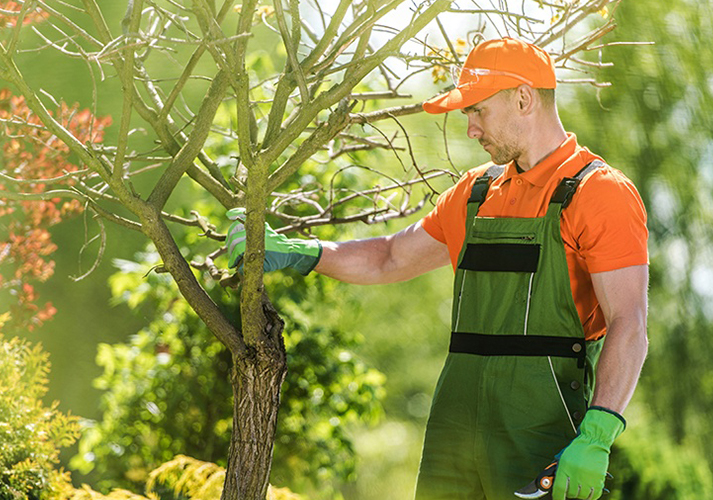
A tree may show one symptom for several possible reasons. For example, pale leaves may point to poor soil, root stress, insects, or disease. An arborist studies the full tree before suggesting work. This careful tree health assessment covers the trunk, branches, leaves, roots, and nearby soil. Moreover, the arborist checks how the tree fits within the property.
Trained eyes can spot weak branch unions, hidden signs of decay, or uneven canopy weight. They can note early leaf drop, dead branches, and changes in bark. Because these clues may connect, the full review matters. The benefits of hiring an arborist include better decisions and fewer harmful guesses. We begin with an on-site tree evaluation. Our team reviews risks and provides clear recommendations tailored to the property and its long-term needs.
Strong growth depends on more than green leaves. Roots need air, water, space, and suitable soil. However, packed soil can limit air and water movement. Construction activity can place added stress on roots. Poor growing conditions may cause weak growth, small leaves, or early leaf loss.
Professional tree health care considers the tree and the surrounding land. Because trees share soil with grass and other plants, nearby conditions can affect health. Our plant health care services may include deep-root fertilization, soil conditioning, and relief from soil compaction. We may use growth regulation when it fits the tree’s needs. Moreover, seasonal checks help our team track changes over time. These steps support tree growth improvement by treating causes instead of hiding symptoms. Healthy root conditions give the tree a better chance to use water and nutrients.
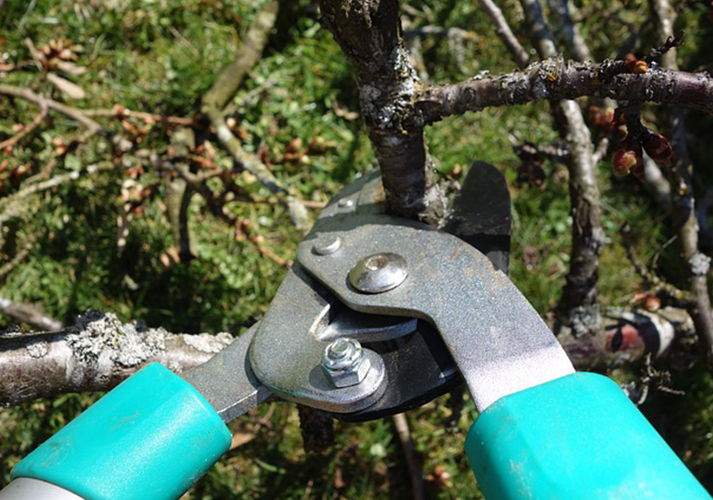
Pruning can improve tree form, branch spacing, light, and airflow. However, each cut changes how a tree grows. Poor cuts may leave wounds, weak new growth, or lasting damage. This is why common tree pruning mistakes homeowners make can affect the health of the tree for years.
We use pruning methods based on the tree’s needs:
These tree maintenance services focus on needed cuts, not heavy trimming. Because over-pruning can weaken a tree, our team uses a selective approach. Proper pruning can reduce weak limbs while keeping enough healthy leaf cover for growth.
Leaf spots, insects, dead tips, and peeling bark can signal problems. Therefore, a visual guess may lead to the wrong treatment. A tree disease diagnosis considers symptoms, tree type, soil conditions, weather stress, and pest activity. The goal is to find the likely cause before choosing care.
Signs Worth Checking
Owners should request an inspection when they notice:
Castle’s Tree Service may use insect suppression, fungicide applications, bacterial disease care, or tree injections. However, the chosen method depends on the problem found. This targeted approach avoids random treatment. Finally, follow-up checks show whether the tree responds or needs a changed plan.
Some trees need seasonal care. Heat, storms, soil stress, insect pressure, and disease pressure may vary throughout the year. Therefore, our plant health care services in Tyler can include checks and plan updates. Our team treats the yard as a connected system. Therefore, care may include soil, root, and trunk health, leaf condition, and nearby plant stress. This table shows how services support tree health.
| Service | Main purpose | Possible value |
| Deep-root fertilization | Supports nutrient needs | Helps weak growth linked to poor nutrition |
| Soil conditioning | Improves root-zone conditions | Supports water, air, and nutrient use |
| Compaction relief | Reduces packed soil stress | Gives roots better growing conditions |
| Tree injection | Delivers selected material through the trunk | Targets certain pests, diseases, or nutrient needs |
| Seasonal assessment | Tracks health changes | Helps adjust care before problems grow |
Because each tree differs, an arborist should choose the service after an inspection.
A stressed tree may not need removal. Pruning, support, soil care, or treatment may help. Our tree preservation services aim to extend a tree’s life when safe care remains possible. Moreover, preservation can protect mature trees that add shade to a property.
Support for Weak Structure
Castle’s Tree Service may use static cabling, dynamic cabling, or rod bracing. These methods can support heavy limbs, weak unions, cracks, or split crotches. However, support systems require proper placement and future review.
A Decision Based on Risk
Our team studies tree condition, structure, location, and nearby targets. Therefore, the plan may involve pruning, support, monitoring, or removal. Property owners seeking tree preservation in Tyler Texas, gain a plan based on the tree’s current state and safety needs. This is how arborists care for trees without applying a single answer to every case.
Good care begins before any cutting or treatment. We use a clear process that helps owners understand the work. Because each property is different, our team starts by reviewing the site and listening to the owner’s goals.
The service process includes:
We have served Tyler homeowners and businesses for more than 16 years. This process supports reliable certified arborist services without rushed choices. Its work is led by certified arborists, with the owner listed under designation TX-4815-A. These details help owners check experience and qualifications before choosing care.
East Texas trees face heat, humidity, storms, soil stress, and seasonal pests. Therefore, local field experience can help an arborist interpret symptoms in the right context. A dry spell, recent storm, or site change may affect the care plan. Tree type and age matter. We bring local knowledge to homes and businesses. Our team offering arborist services in Tyler TX, works with young, mature, and visibly stressed trees. Because safety and health can overlap, we review both during the visit.
We offer residential arborist services and expert tree care services for owners who need clear guidance. For owners searching for tree services in Tyler, this review avoids advice that may not fit the property. Moreover, our tree care specialists provide professional tree services and explain whether a tree may need pruning, soil care, support, treatment, or removal.
Healthy trees need the right care at the right time. Because symptoms can have many causes, an expert review helps owners avoid guesswork. Proper pruning, soil care, disease checks, structural support, and regular monitoring can improve long-term tree health. Moreover, clear advice helps owners plan around safety, cost, and property goals.
Castle’s Tree Service provides local care backed by more than 16 years of experience. Our team evaluates each tree before recommending work. We provide pruning, preservation, plant health care, support systems, emergency help, removal, and follow-up guidance. For owners who need arborist services in Tyler TX, a site visit can reveal what the tree needs now. Property owners can call us at (903) 330-2936 to schedule an evaluation. We are located at 16148 County Rd 1134, Tyler, TX 75709, USA. We help Tyler property owners choose care that supports safer trees and steady growth.
1. Why should homeowners hire an arborist instead of handling tree problems themselves?
An arborist can check tree health, structure, roots, soil, pests, and nearby risks. Because many symptoms share different causes, home treatment may miss the real problem. Professional review can prevent harmful cuts, wrong products, and unsafe work. It gives homeowners a clear care plan based on the whole tree.
2. How does professional tree health assessment work?
An arborist inspects the leaves, branches, trunk, root area, soil, and tree location. The arborist looks for signs of stress, decay, weak unions, pests, disease symptoms, and growth changes. Afterward, the owner receives care options based on the tree’s condition, safety concerns, and long-term property goals.
3. Can arborist services prevent tree diseases?
Arborist care can lower some disease risks through monitoring, proper pruning, soil care, and targeted treatment. However, prevention depends on the disease, tree species, weather conditions, and current damage. Early checks often find warning signs sooner, which may give the tree more care options before decline becomes severe.
4. How often should trees receive professional care?
Care timing depends on tree age, health, location, past damage, and local stress. Some trees may need seasonal checks, while stable trees may need less frequent visits. However, owners should request a review after major storms, construction near roots, sudden changes in leaf color, cracks, or new dead branches.
5. What happens if tree health problems are ignored?
Small problems may grow into dead limbs, weak structure, spreading disease, pest damage, or root decline. As damage increases, care choices may become limited and costs may rise. Moreover, a weak tree can pose risks near homes, vehicles, roads, fences, and areas used by people.
6. When should I schedule an arborist inspection?
Schedule an inspection when leaves change early, branches die, bark cracks, fungi appear, or the tree begins leaning. A review is useful after storms, digging, soil changes, or nearby construction. Owners may request an inspection before pruning, treatment, support work, removal, or long-term care planning.